




Answer Check!
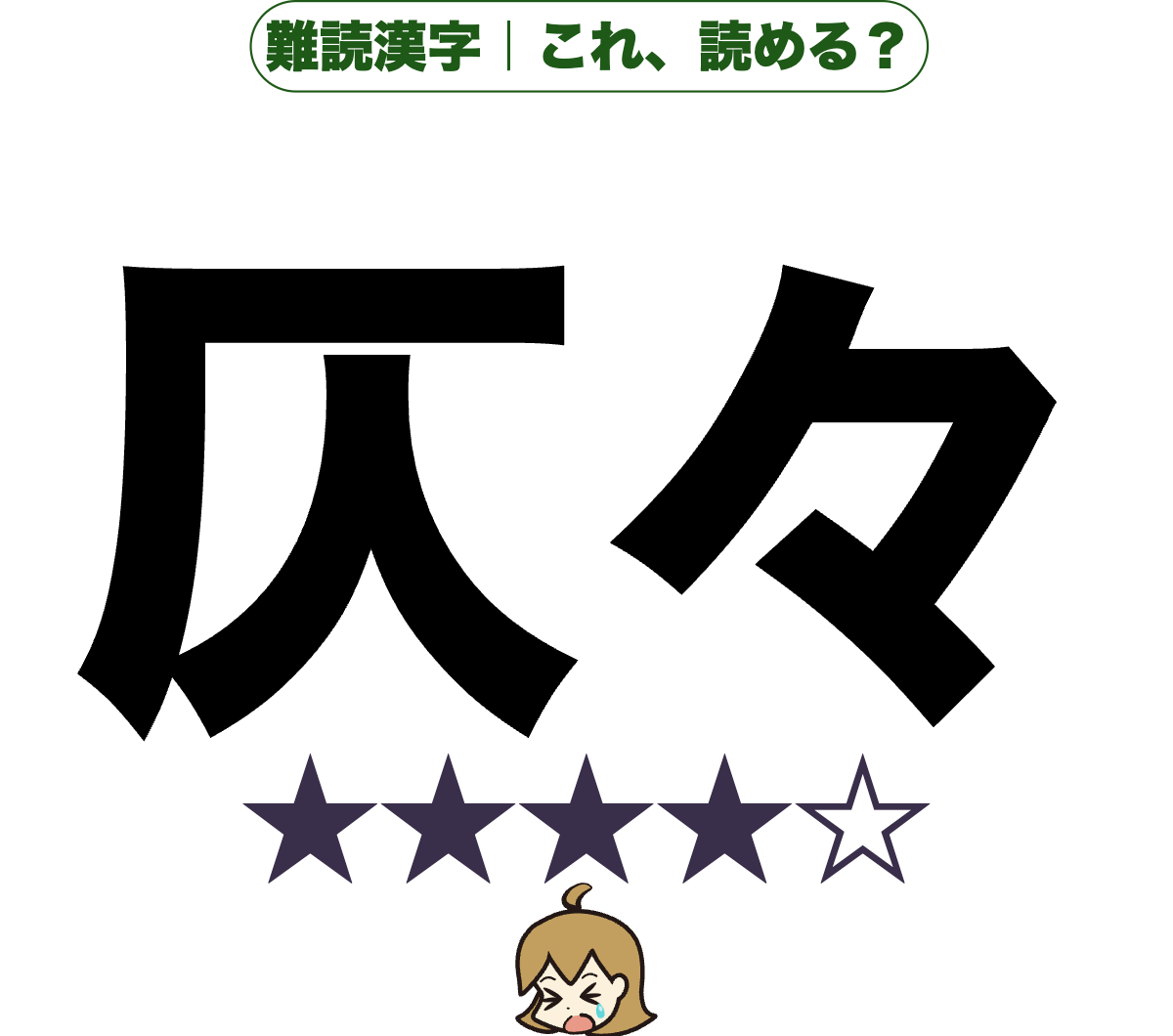
Question 1: 仄々
の
ぼ
の
Thank you for telling me! When I looked it up, I found that 仄々 means . The character 仄 apparently comes from ancient China, depicting the way a flame glows faintly. By repeating the same kanji, it expresses that faint feeling even more strongly. It’s used in contexts like dawn or parental affection. I think that warm energy like a flame is truly a noble vibration. ✨
Question 2: 黄昏
そ
が
れ
(
こ
う
こ
ん
)
Thank you for telling me! When I looked it up, I found that the origin of 黄昏 is the word “誰そ彼 (tasokare)” from long ago. It seems that when the sun set and it became dim, people couldn’t distinguish faces well, so they would ask “Who are you?” The landscape shines in golden tones during such a lovely time of day. It changed to “tasogare” during the Edo period. I learned that without electric lights, that time of day was truly dark and scary. The energy of the boundary between light and darkness, where it’s hard to distinguish people’s faces, is mystical, and spiritually speaking, it’s a time when vibrations change at the turning point of yin and yang. That’s why twilight is perfect for examining yourself!
Question 3: 衒う
ら
う
Thank you for telling me! When I looked it up, I found that 衒う (terau) means to flaunt one’s knowledge or talents through words or actions—in other words, to show off. The origin comes from “to illuminate,” which gives the sense of brightly illuminating and displaying. There are lots of people who appeal to themselves through words and attitudes, but true brilliance is naturally conveyed without having to force an appeal. ✨
Question 4: 蝙蝠
う
も
り
(
へ
ん
ぷ
く
)
Thank you for telling me! When I looked it up, I found that the character 蝠 in 蝙蝠 sounds the same as 福 (good fortune) in China, and bats are revered as creatures that summon auspiciousness. Since they hide in caves during the day, they’re also written as 伏翼. Even Edo period kabuki actors used them as alternative family crests because of their auspicious nature. Spiritually speaking, since bats reflect internally during the day and are active at night, they symbolize a high-vibration existence that represents the balance of light and darkness.
How Many Did You Read?
If you read all of them, you’re certified as a kanji master! Spirituali also researched along with you, and I feel a little bit smarter now♪
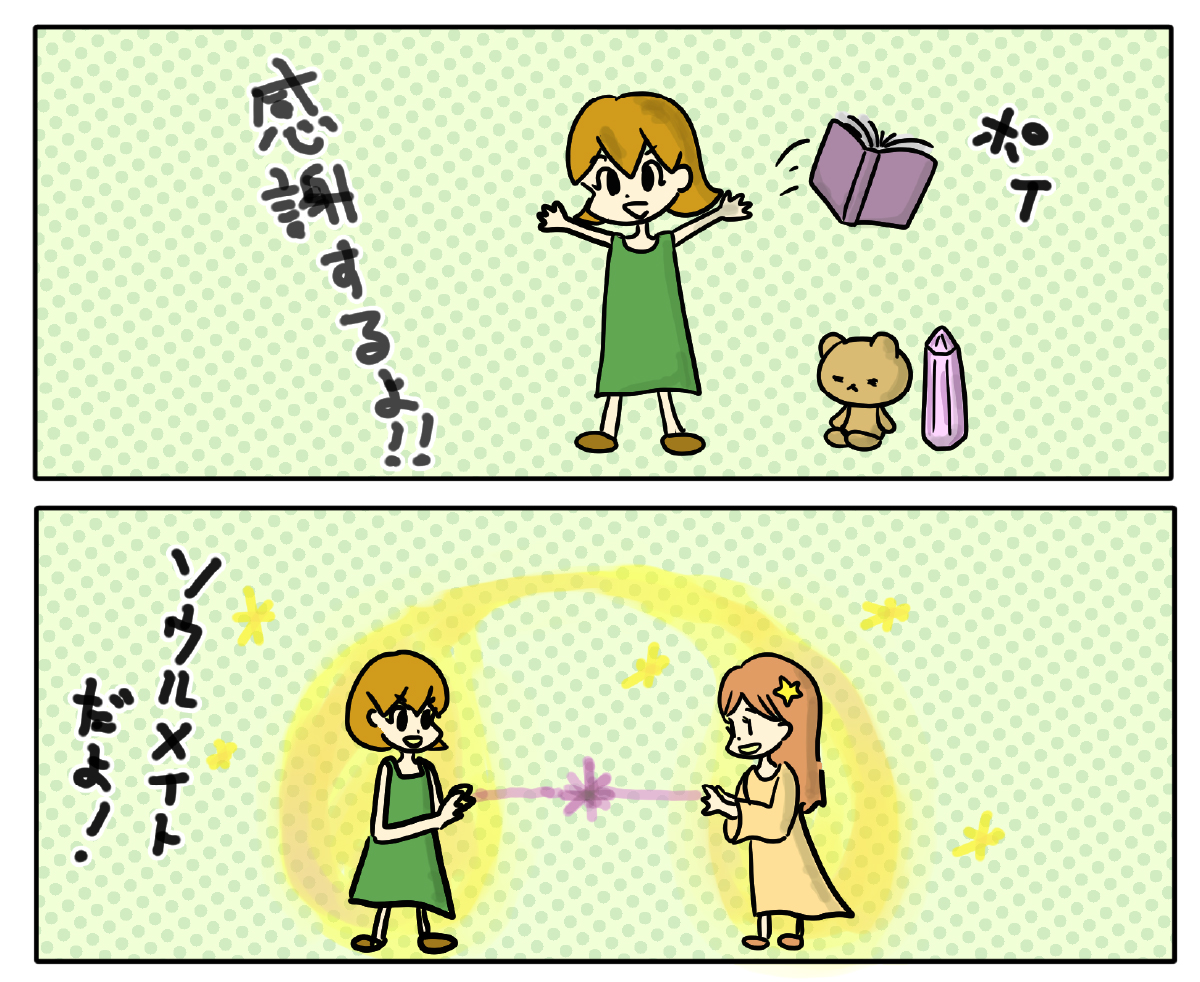
Thank you for reading, and see you next time!
About Spirituali-chan
Spirituali-chan is a girl who is a bit spiritual. In this series, Spirituali-chan introduces kanji she encounters while reading spiritual books!
This is a translated report from Japan’s Perfect World Tokyo.

✍️ Supervised by | Editor-in-Chief KOS
Editor-in-Chief of a character goods specialty media. Has written and supervised over 12,000 articles to date. As the representative of Perfect World Co., Ltd., operates Perfect World Tokyo. Handles over 50,000 character goods at all times, personally reviewing and selecting over 1,000 new products every month. All products featured in the media are authentic items sourced directly by the company, and all photos are taken in-house. Articles are written after personally inspecting each product, delivering the latest news and product reviews in the character goods industry. Information is provided from three perspectives: as a retailer, photographer, and editor.